Case: Helping new users reach their first value with onboarding
- When
- 2019
- My role
- Product Designer
- Team
- Two full-stack developers
- Result
- Around 30% of new users engaged with the onboarding checklists, primarily those for setting up cash flow and P&L reports.
Problem: Finolog launched as an MVP with minimal onboarding. A small proportion of customers received paid assistance from financial consultants. For everyone else, I designed contextual guidance, introductory screens, and a help centre, which I initially wrote myself.
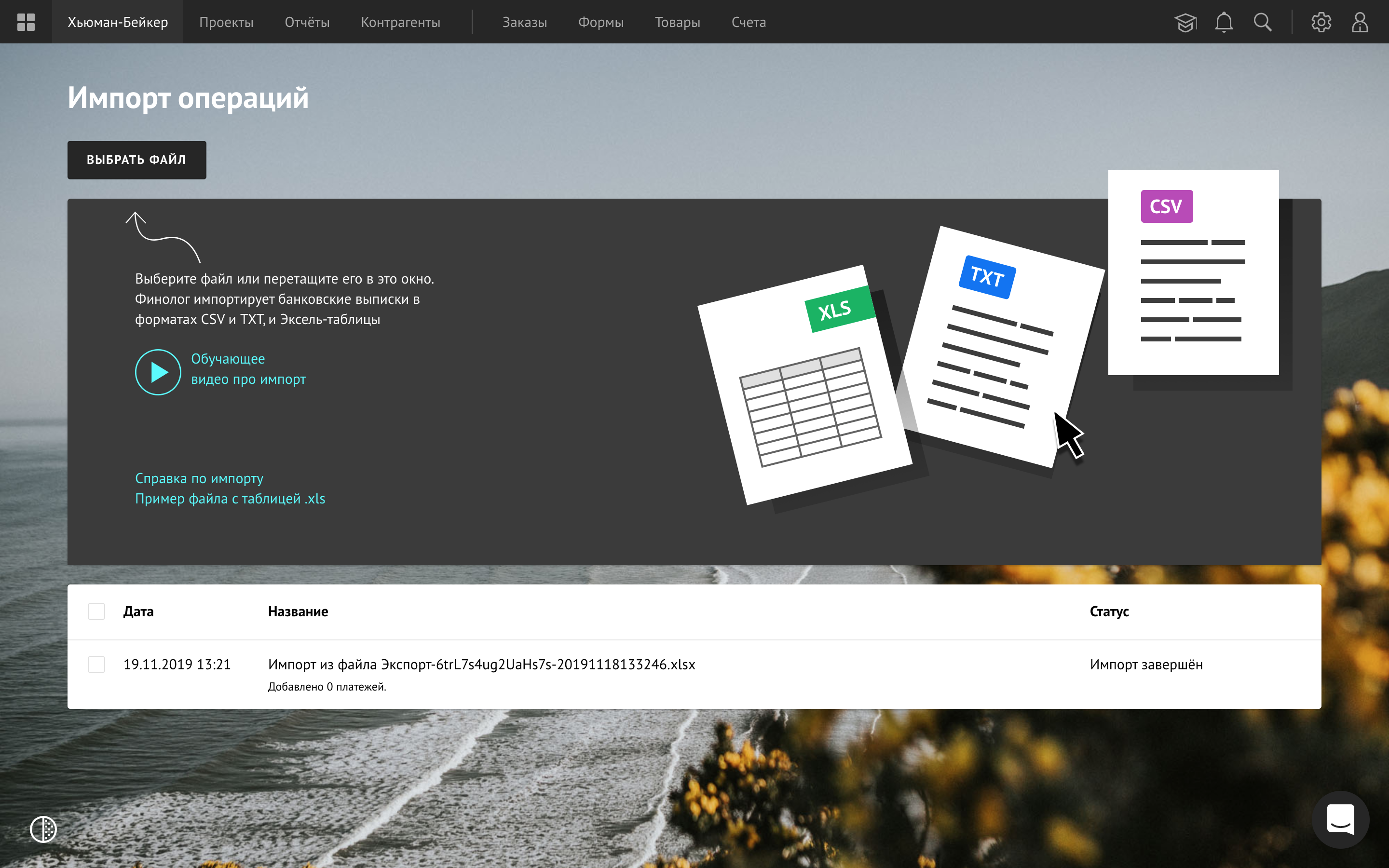
But this guidance wasn’t enough. Before users could see their first meaningful financial report, they typically needed to:
- Set up their business and its financial accounts.
- Connect banks to import transactions automatically.
- Import transactions from Excel or CSV files when automatic bank integration isn’t available.
- Assign categories to transactions and configure automatic categorisation rules.
That is a lot of setup before seeing the product’s value. Our goal was to make these steps easier to complete and help new users reach their first useful report sooner.
Business creation wizard
I designed a wizard to help users add their business entities and financial accounts. For businesses registered in Russia, the wizard integrated with the official business registry, so users could find and select their company instead of entering its details manually.
Users could also connect automatic transaction imports during setup. This meant that Finolog could start collecting transaction data as soon as a connection was established, bringing users closer to their first report without requiring them to discover the import settings later.
I designed the business and account setup controls as reusable components, so the same interactions would work consistently in both the wizard and the settings screens.
Starting screens with guided steps
I designed starting screens for Finolog’s main modules. Instead of showing an empty interface, each screen suggested concrete steps to get started. Selecting a step launched a guided product tour.
In-product checklists
Tours that appear automatically can interrupt users while they’re trying to do something else. I chose a less intrusive approach: users could launch a tour themselves from a checklist when they were ready.
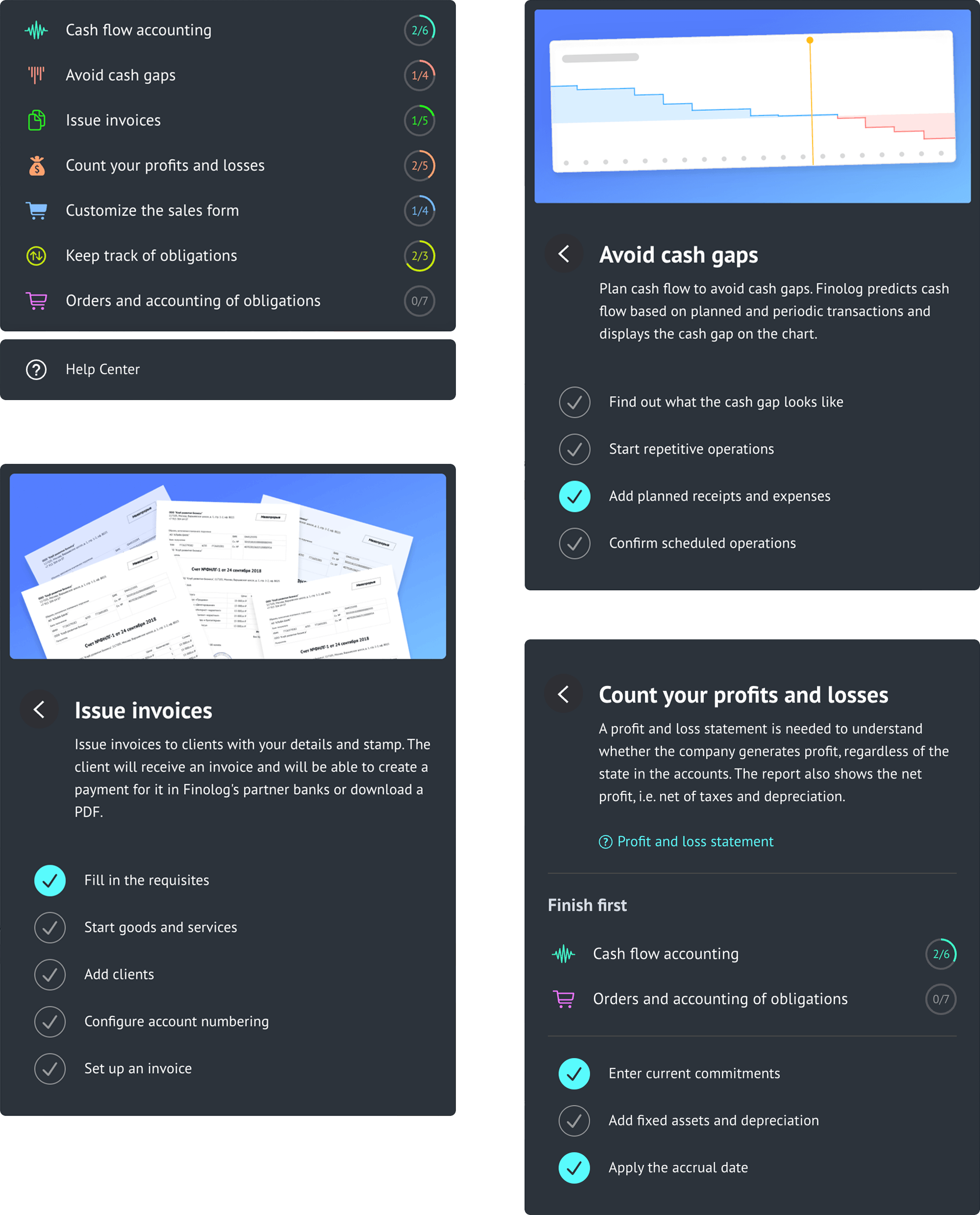
Based on interviews with new customers (described below), I organised the checklists around goals rather than isolated features. For example, users could follow a sequence of steps to build a reliable cash flow statement, prepare a P&L report, or set up invoicing.
I built the guided walkthroughs using Intercom Product Tours. Each checklist item opened the relevant tour:
Users could mark steps as complete themselves. For steps tied to an action in Finolog, we also wanted completion to happen automatically. When an action was completed, the product displayed a notification with a link back to the checklist:
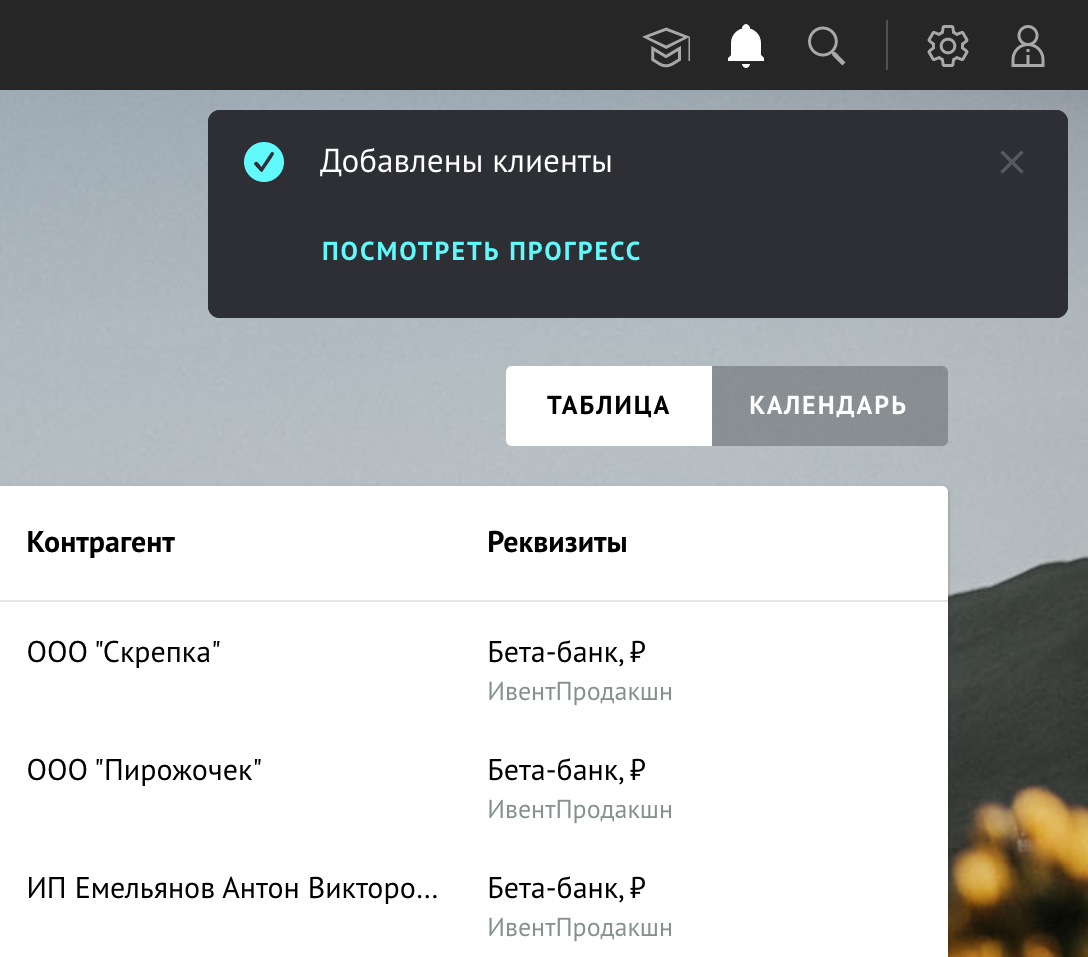
I worked with developers to define the conditions for automatic completion and integrate the checklists with the product’s underlying state. This helped keep the guidance in sync with what users had actually done, even if they completed a task without following a tour.
For example, a checklist item is completed automatically when a user updates the business profile required for invoicing:
Contextual guidance
I also added explanations and links to learning materials at points where users might need additional help, without making them leave their current workflow to search the help centre.

Results
Overall user activation increased during this period. However, onboarding improvements were part of a broader effort that also included online courses, webinars, and video tutorials, so we couldn’t isolate their individual impact.
Around 30% of new users engaged with the onboarding checklists. Guides for setting up cash flow and P&L reports were the most popular, while other workflows saw considerably less engagement.
Longer story
Research
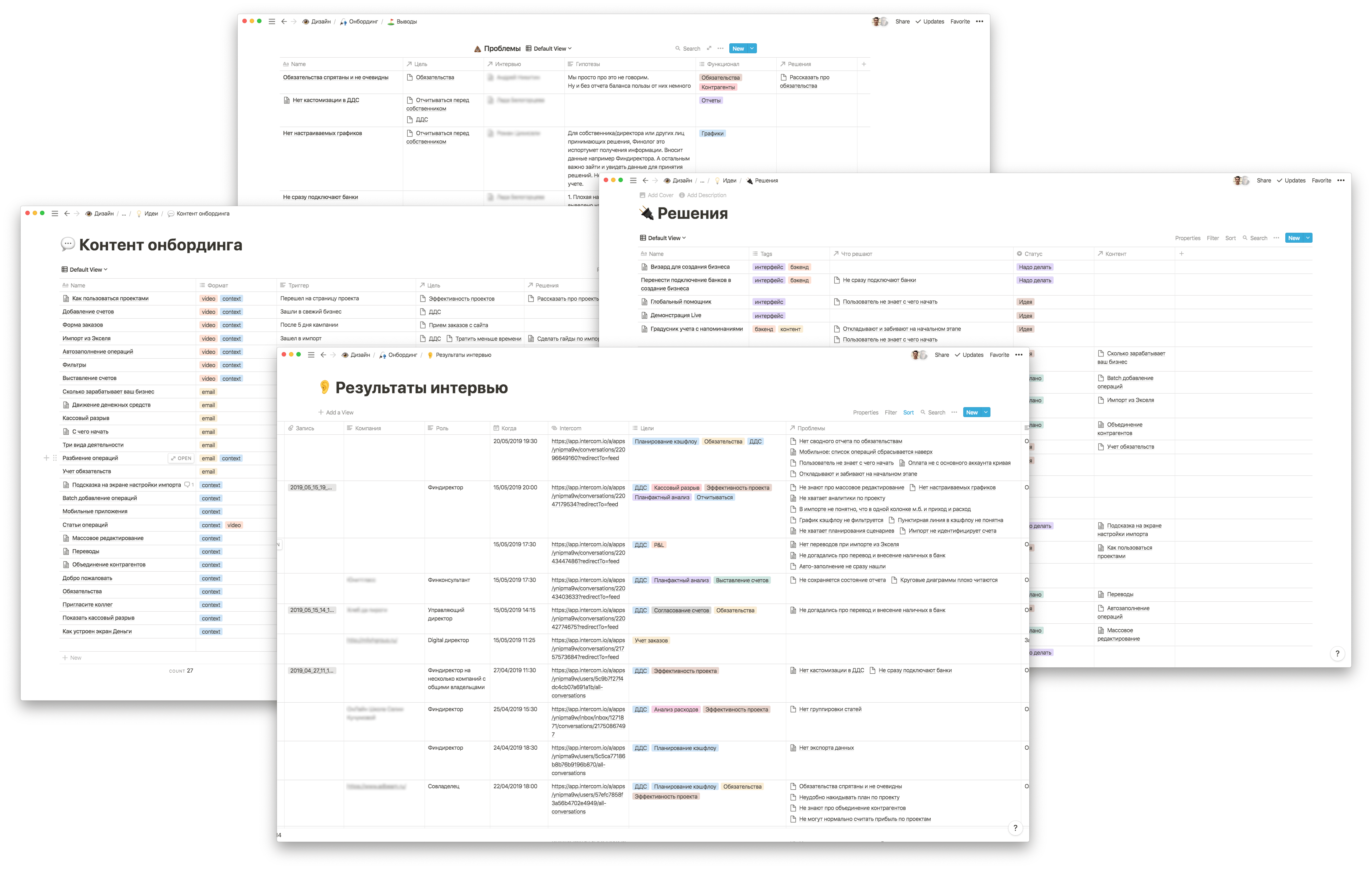
To understand where new users struggled, I interviewed customers who had recently converted to paid plans. I asked what had brought them to Finolog, what they wanted to accomplish, and which obstacles they had encountered during setup.
I grouped their goals and difficulties into recurring themes, then used those findings to identify opportunities for product guidance and educational content. Alongside the onboarding checklists, I prepared materials that we distributed through Intercom, both inside the product and by email.